
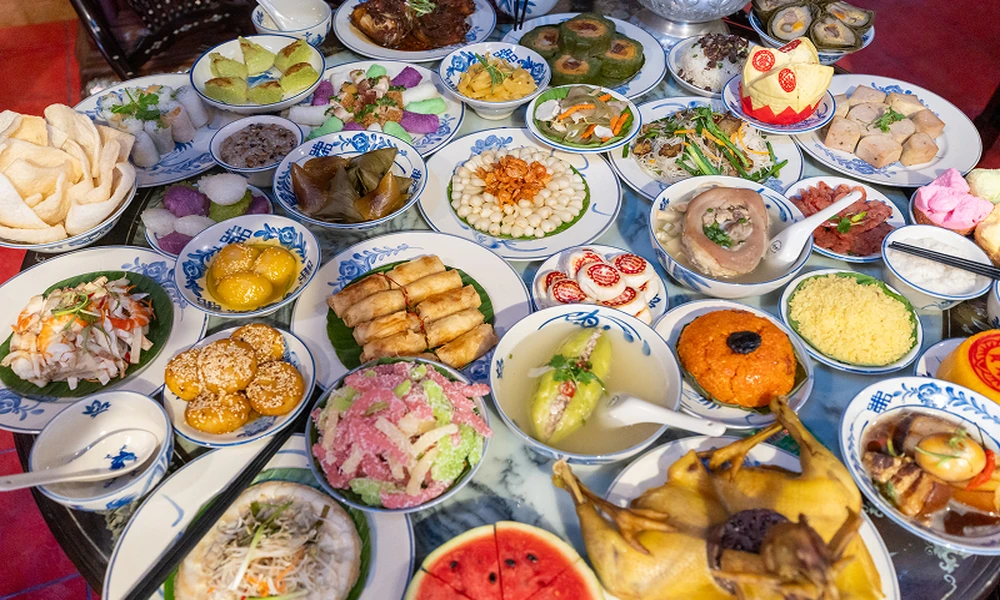
Key Takeaways
- Traditional Chinese banquets follow structured courses rooted in cultural customs and ceremonial occasions.
- Contemporary sharing menus offer greater flexibility, allowing diners to customise their meal according to preferences.
- Both formats encourage communal dining but differ in presentation, pacing, and menu planning.
- Traditional banquets often feature symbolic dishes, while modern sharing menus prioritise variety and convenience.
- Whether dining at a Chinese restaurant in Orchard or searching for the best Asian restaurant in Singapore, understanding these differences helps diners choose the most suitable experience.
Introduction
Chinese cuisine has long been associated with communal dining, where dishes are shared among family members, friends, or colleagues. While this tradition remains unchanged, the way meals are presented has evolved over time. Traditional Chinese banquets continue to play an important role during weddings, festive celebrations, and corporate events, whereas contemporary sharing menus have become increasingly common for casual dining and social gatherings. Whether visiting a Chinese restaurant in Orchard or looking for the best Asian restaurant in Singapore, recognising the differences between these two dining formats allows diners to select an experience that matches the occasion.
Purpose and Occasion
Traditional Chinese banquets are designed for formal events that carry cultural or ceremonial significance. Weddings, Lunar New Year celebrations, milestone birthdays, and business receptions commonly feature banquet-style dining. Meals are carefully planned, with each course served in a specific order to reflect prosperity, harmony, longevity, or good fortune. The menu often includes premium ingredients that reinforce the importance of the occasion.
Contemporary sharing menus are intended for flexibility rather than ceremony. They are commonly offered for family meals, gatherings with friends, business lunches, and casual celebrations. Diners choose several dishes from different sections of the menu and share them across the table without following a fixed sequence. This approach accommodates different group sizes, budgets, and dietary preferences while maintaining the communal nature of Chinese dining.
Menu Structure and Dish Selection
One of the main differences lies in how the meals are organised. A traditional banquet follows a predetermined sequence that usually includes appetisers, soup, seafood, meat, vegetables, rice or noodles, dessert, and fruit. Every course is planned before the meal begins, creating a complete dining experience from start to finish. Hosts typically select the menu in advance, leaving little room for changes once service begins.
Contemporary sharing menus provide considerably more freedom. Diners can combine appetisers, roasted meats, seafood, vegetables, tofu dishes, noodles, rice, and desserts according to their preferences. Orders can also be adjusted throughout the meal if additional dishes are needed. This flexibility makes sharing menus suitable for groups with varying tastes and dietary requirements while reducing the need for extensive advance planning.
Dining Experience and Service Style
Traditional banquets emphasise formal service and coordinated presentation. Courses arrive one after another, allowing guests to appreciate each dish before moving to the next. The pacing encourages longer meals and structured conversations, particularly during celebrations where speeches or ceremonial activities may take place. Hospitality and etiquette are integral parts of the overall experience.
Sharing menus creates a more relaxed atmosphere. Multiple dishes are often served together, allowing everyone to sample different flavours simultaneously. Guests can eat at their own pace, request additional items if necessary, and focus more on conversation than formal dining procedures. This style is particularly appealing for modern lifestyles where convenience and flexibility are valued alongside quality food.
Cultural Significance and Modern Preferences
Traditional banquets preserve customs that have been passed down through generations. Symbolic dishes such as whole fish, longevity noodles, and roast poultry continue to represent prosperity, abundance, and family unity. These cultural elements remain important during significant celebrations and reinforce the role of food in Chinese heritage.
Modern sharing menus reflect changing dining habits without abandoning the communal spirit of Chinese cuisine. They accommodate smaller groups, faster-paced lifestyles, and broader culinary preferences while still encouraging people to enjoy meals together. Many restaurants successfully combine traditional recipes with contemporary presentation, offering diners a balance between heritage and practicality. Due to this, guests searching for the best Asian restaurant in Singapore can often enjoy both banquet dishes and modern sharing options within the same establishment.
Conclusion
Traditional Chinese banquets and contemporary sharing menus both celebrate the communal nature of Chinese dining, but they serve different purposes. Banquets provide structured, symbolic meals suited to formal occasions, while sharing menus offer flexibility for everyday gatherings and modern lifestyles. Understanding these differences helps diners choose the right format based on the event, group size, and dining expectations. Whether planning a celebration or a casual meal at a Chinese restaurant in Orchard, selecting the appropriate dining style contributes to a more enjoyable and suitable experience.
Reach out to Chen’s to experience authentic Chinese cuisine in a setting that suits both formal celebrations and everyday dining.