


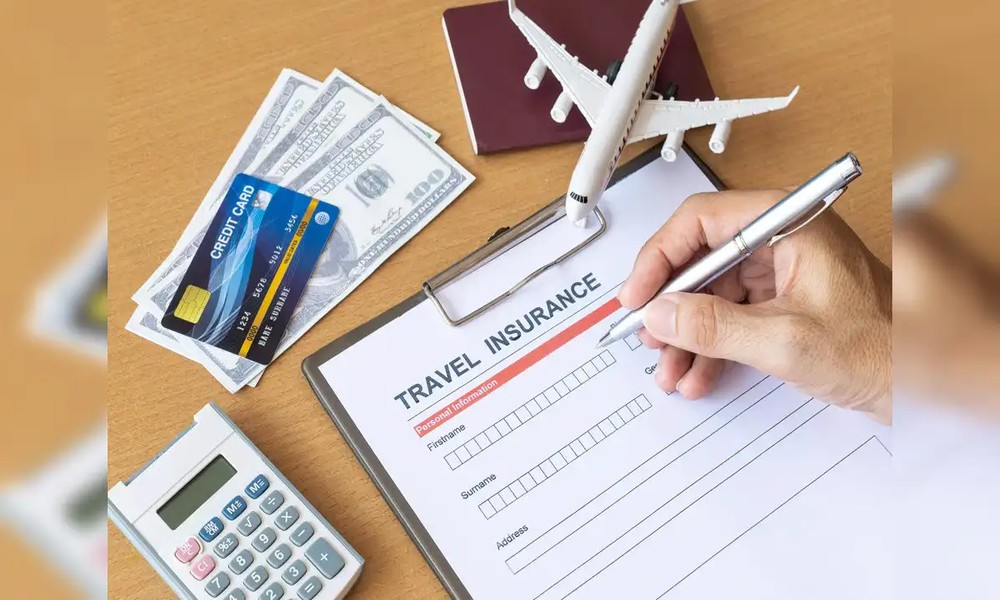
Before you pay, check six basics: coverage amount, destination fit, policy exclusions, medical benefits, trip disruption benefits, and claim support. That is what decides whether travel insurance actually helps when something goes wrong, not just whether the premium looks cheap on screen.Say a couple from India is flying to France, Italy, and Switzerland. They compare two low-cost plans for Europe, but only one matches Schengen visa rules, offers enough sum insured, and supports cashless hospitalization abroad.
A cheap plan is useful only if it pays for the risks your trip can realistically face.
Quick scan before checkout:
- Destination and visa suitability
- Medical cover and pre-existing disease coverage
- Trip cancellation cover, delay, and baggage benefits
- Exclusions and sub-limits
- Assistance network and claims process
- Whether the lowest price still protects the trip
Now let’s break down what matters most.
Start with travel insurance coverage that matches your destination
The right policy starts with your destination, not the cheapest premium on your screen. Good travel insurance should match local hospital costs, visa rules, and the kind of medical risk you may face in that country.If you are flying from India to Europe, check the sum insured first, then see whether the medical emergency cover is actually strong enough for that region. For Schengen countries, use the current visa requirements and the insurer brochure or policy wording as your baseline, not ad copy.A family of four comparing two similar plans for Paris may see almost the same price, yet the protection can differ a lot:
- Plan A: Lower sum insured, tighter hospital limits, weaker assistance network
- Plan B: Higher sum insured, better emergency support, clearer cashless access
That gap matters even more for the US, where treatment costs can rise fast after one ER visit.
Match cover to destination costs first, and price second.
Also check if the policy suits your age, trip length, and medical history. A low premium feels smart until underinsurance turns one overseas emergency into a major out-of-pocket bill.
Check what the policy excludes before you trust the low price
Once the destination fit looks right, move to the part many buyers skip: exclusions. Exclusions decide claim outcomes just as much as benefits do, so a low premium means very little if the policy blocks the event you actually face. Many people compare only the sum insured, then miss the fine print that drives rejection.For an Indian family flying to Europe, two plans can look almost identical on screen. But one may limit pre-existing disease coverage, reject a fall during skiing, or deny a missed claim because an illness was disclosed late after purchase.
Read the exclusions list before you trust the price.
- Pre-existing conditions: often excluded unless specifically covered
- Adventure sports: trekking, skiing, scuba, and similar activities may not be included
- Alcohol or drug-related incidents: commonly denied
- Unattended baggage: loss may not be paid if bags were left unsupervised
- Self-inflicted injury: usually excluded
- Late disclosure or delayed intimation: can weaken or void claims
Some policy exclusions can be narrowed through add-ons or insurer-specific terms. Check the brochure, policy wording, and assistance conditions before you buy trip insurance, because assumptions are where cheap plans usually fail.
Look beyond medical cover: trip delays, cancellations, and baggage matter too
Medical cover gets most of the attention, but travel risk is not just about hospital bills. Delays, cancellations, and lost baggage can cost just as much. When Indian travellers are juggling visa dates, prepaid hotels, internal train tickets, and family plans, one disruption can turn into multiple out-of-pocket expenses.Check whether your travel insurance includes:
- trip cancellation cover for non-refundable bookings
- missed connection and trip delay benefits
- baggage delay and baggage loss
- passport loss assistance
- personal liability cover
Picture a family flying from Mumbai to Paris via Doha. If the first leg is delayed and they miss the onward flight, they may pay for rebooking, airport transfers, meals, and a hotel stay unless the policy covers those events.Two plans can look similar on medical cover but differ sharply on these extras. A short business trip may care more about missed connection and laptop baggage delay, while a family holiday may need stronger cancellation and passport loss support. Match the benefit mix to your itinerary before you pay.
When you buy trip insurance, check claim support before checkout
Benefits on paper matter, but claim support is what proves whether a policy is worth paying for. Before you buy trip insurance, check how the insurer helps when you are stressed, abroad, and working across time zones.
Fast, clear claims support can matter more than a small premium difference.
Use this quick checklist:
- 24×7 assistance with an international helpline you can call from your destination
- Cashless hospitalization abroad at listed partner hospitals
- App, email, and WhatsApp claim intimation options
- Exact document list for medical, baggage, and delay claims
- Expected claim turnaround and reimbursement timelines
- Clear escalation path if a case gets stuck
Say an Indian family lands in Europe and a parent needs urgent treatment. Two plans may look similar, but the one with a stronger assistance network usually causes less panic and fewer out-of-pocket costs.Check the insurer claims page and policy wording before payment. That five-minute review can save hours of confusion later.
But wait: is the cheapest plan always enough?
No, the cheapest plan is not always the smartest choice. By this point, the pattern is clear: a lower premium often means lower sub-limits, higher deductibles, tighter policy exclusions, or weaker emergency support when you actually need help abroad.Think of two Europe plans for an Indian family of four: both may show similar medical cover, but one may cap room rent, limit baggage claims, and offer slower assistance. The cheaper option can cost more later if a child needs treatment or a missed connection triggers extra hotel bills.
Price matters, but claim usability matters more.
Myth: cheapest means best value. Reality: best value depends on age, trip length, destination, and risk.A healthy solo traveller may accept leaner cover. An older traveller, student, or family usually should not.
What to do next: compare, verify, and then pay with confidence
So what should you do before the final payment step? Compare 2-3 plans side by side, verify the fine print, and pay only after the details match your trip.
The cheapest plan is useful only if it can actually pay when something goes wrong.
- Match coverage to destination, age, trip length, and medical history
- Check medical limits, policy exclusions, and assistance network reach
- Confirm claim support, especially for cashless hospitalization abroad
- Read the brochure and policy wording before you buy trip insurance
- Recheck passport names, travel dates, and nominee details
If an Indian family flying to Europe sees two similar plans, the better one is usually the plan with clearer wording and stronger support.
Conclusion
Buying travel insurance should take minutes, but your final check should never be rushed. If an Indian family heading to Europe pauses to verify destination cover, sum insured, exclusions, medical history, benefits, and claim support, they avoid weak policies that only look cheap. Check once, pay once, and travel calmer.