
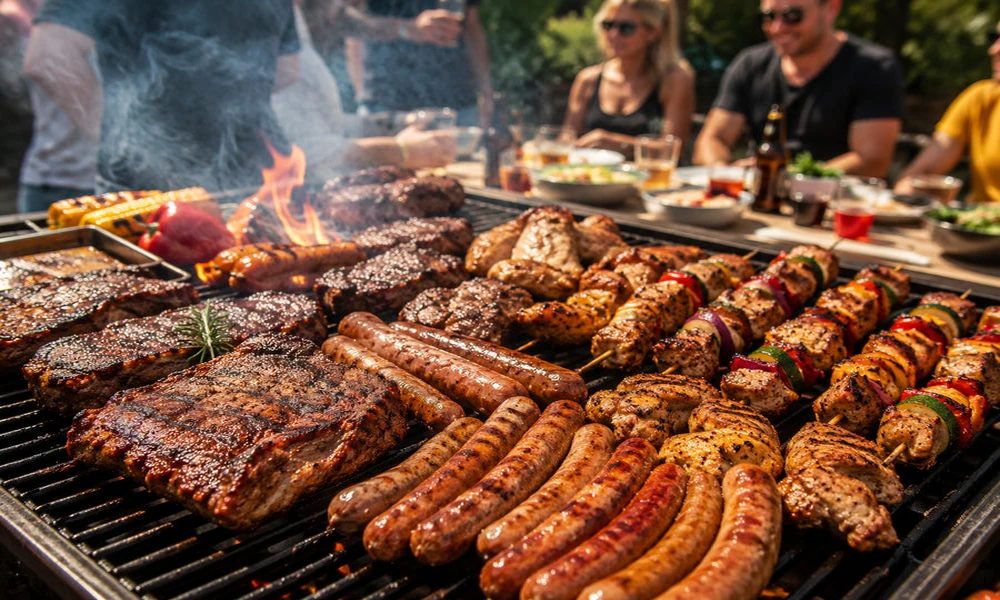
Weekend grilling is more than a cooking activity. It is an opportunity to bring family and friends together over delicious meals prepared outdoors. While marinades, seasonings, and grilling techniques contribute to the final result, the quality of the meat often determines whether a meal is truly memorable. Selecting the right cuts, understanding their characteristics, and seeking professional guidance can make a noticeable difference in flavor, tenderness, and overall cooking results.
A visit to a Centennial meat market can help grilling enthusiasts explore different meat options, discover suitable cuts, and make informed purchasing decisions. Rather than choosing meat based solely on appearance or price, shoppers can consider factors such as marbling, thickness, freshness, and cooking methods to create a better grilling experience.
Choosing the Right Meat for Your Grilling Style
Different cuts of meat respond differently to heat, making selection an important part of grilling preparation. Some cuts perform best over high temperatures, while others require slower cooking to develop tenderness and flavor. Understanding these differences helps prevent common mistakes such as overcooking or selecting meat unsuitable for the intended recipe.
For example, ribeye steaks are popular for their rich marbling, which contributes to juiciness and flavor during grilling. Sirloin offers a leaner alternative, while beef short ribs often benefit from slower cooking methods. Pork chops, chicken thighs, and sausages also provide versatile options for weekend gatherings. Matching the cut to the cooking technique helps achieve more consistent results.
Understanding the Importance of Meat Marbling
Marbling refers to the small streaks of fat distributed throughout muscle tissue. These fat deposits contribute to flavor and influence how meat feels when cooked. Steaks with appropriate marbling often remain juicy during high-temperature grilling because the fat renders as the meat heats.
However, more marbling does not automatically make every cut suitable for every recipe. Personal preferences, cooking temperatures, and preparation methods should also influence purchasing decisions. Shoppers who prefer leaner meat may choose tenderloin or certain sirloin cuts, while those seeking richer flavors may prefer ribeye.
Understanding these characteristics allows consumers to select meat according to their desired grilling experience rather than relying on appearance alone.
Custom Cuts Can Improve Cooking Consistency
Thickness plays an important role in grilling performance. Steaks that vary significantly in size may cook unevenly, leaving some portions overdone while others remain undercooked. Consistent cuts make temperature management easier and help create more predictable results.
Professional butchers can often prepare meat according to specific preferences, including steak thickness, portion size, and trimming requirements. Thicker steaks may provide greater control when achieving a browned exterior and a desired internal temperature. Meanwhile, thinner cuts can be useful for quick meals or recipes requiring shorter cooking times.
Custom preparation also helps reduce unnecessary waste by allowing shoppers to purchase portions that match their gathering size.
Freshness and Proper Handling Matter
Meat quality depends not only on the cut but also on how the product has been stored and handled. Food safety and quality preservation depend on proper refrigeration, hygienic processing spaces, and suitable packaging.
When visiting a butcher counter, shoppers should look for meat that has been stored at safe temperatures and packaged appropriately. Fresh meat shouldn’t smell bad or have a slimy surface. However, color alone is not a reliable indicator of freshness, as natural changes can occur depending on packaging and oxygen exposure.
After purchasing meat, it should be refrigerated promptly and kept separate from foods that will be eaten without cooking. These simple precautions help maintain quality until grilling begins.
Planning Meat Portions for Weekend Gatherings
One common grilling challenge involves estimating how much meat to purchase. Buying too little can leave guests unsatisfied, while purchasing excessive quantities may increase food waste.
Portion planning should account for the number of guests, available side dishes, and whether multiple proteins will be served. A gathering featuring steaks, grilled vegetables, salads, and bread may require different portions than an event centered primarily on burgers and sausages.
Offering a combination of beef, poultry, and pork can also accommodate different preferences. Planning purchases before visiting the butcher counter makes shopping more efficient and helps keep the menu balanced.
Getting Better Results Through Proper Preparation
Even premium meat requires careful preparation to achieve excellent grilling results. Rather than overpowering the inherent taste of the chosen cut, seasoning should enhance it. Simple combinations of salt, pepper, herbs, and suitable marinades can enhance the finished dish.
Grill temperature is equally important. Direct heat works well for searing steaks and burgers, while indirect heat is useful for thicker cuts requiring additional cooking time. Using a reliable meat thermometer helps determine doneness accurately and supports safe cooking practices.
Allowing cooked meat to rest briefly before slicing can also improve the eating experience by reducing immediate moisture loss.
Conclusion
Successful weekend grilling begins long before the grill is heated. Choosing appropriate cuts, understanding marbling, requesting consistent portions, and following proper handling practices all contribute to better meals.
A knowledgeable butcher can provide valuable guidance when selecting meat for different recipes and occasions. By combining thoughtful purchasing decisions with careful preparation and temperature control, home cooks can turn ordinary weekend gatherings into enjoyable dining experiences filled with satisfying flavors and well-prepared meals.